
-
-36%
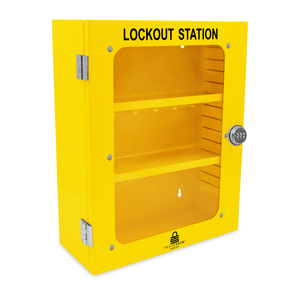
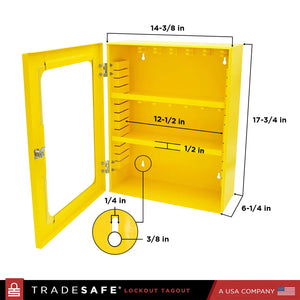 Gabinete de la estación de bloqueo y etiquetado: no se incluyen dispositivos de bloqueo y etiquetadoPrecio habitual $189.95Precio habitual
$299.00-36%Precio de oferta $189.95 -
-16%
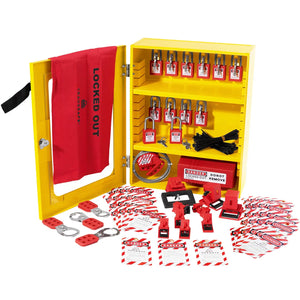
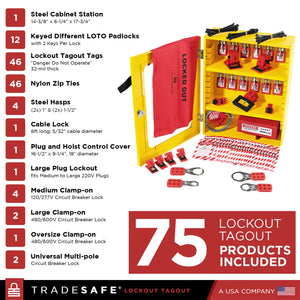 Precio habitual $420.95Precio habitual
$499.00-16%Precio de oferta $420.95 -
-20%
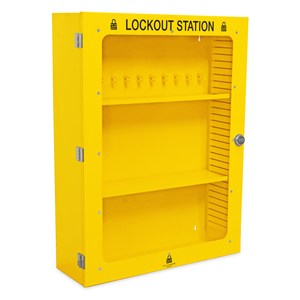
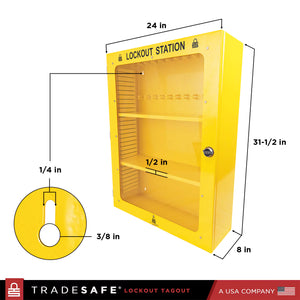 Gabinete de la estación de bloqueo y etiquetado: no se incluyen dispositivos de bloqueo y etiquetadoPrecio habitual $389.95Precio habitual
$489.95-20%Precio de oferta $389.95 -
-23%
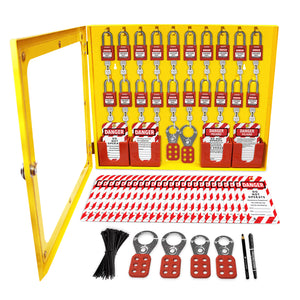
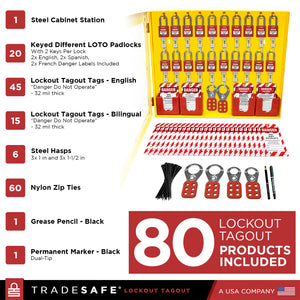 Precio habitual $369.95Precio habitual
$479.95-23%Precio de oferta $369.95 -
-14%
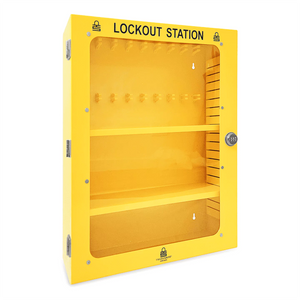
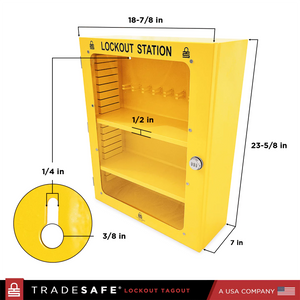 Gabinete de la estación de bloqueo y etiquetado: no se incluyen dispositivos de bloqueo y etiquetadoPrecio habitual $299.95Precio habitual
$349.95-14%Precio de oferta $299.95 -
-29%
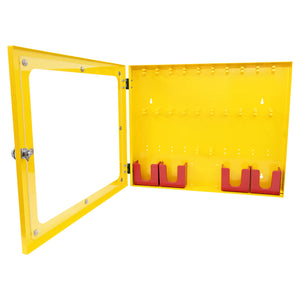
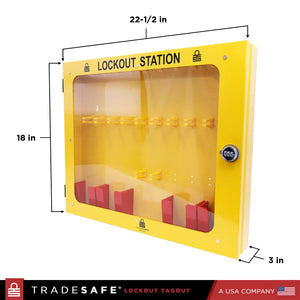 Precio habitual $169.95Precio habitual
$239.95-29%Precio de oferta $169.95 -
-23%
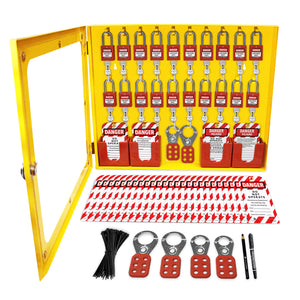
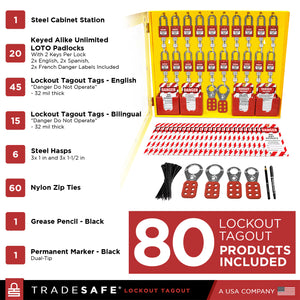 Precio habitual $369.95Precio habitual
$479.95-23%Precio de oferta $369.95
Lockout Tagout Cabinet for Organized Hazardous Energy Control
A lockout tagout cabinet creates a centralized, immediately identifiable storage point for equipment used in hazardous energy control programs. Instead of leaving critical devices scattered across toolboxes, shelves, or maintenance rooms, a dedicated cabinet keeps lockout padlocks, tags, hasps, cable ties, breaker lockouts, valve lockouts, and other isolation devices visible, protected, and ready for authorized employees.
TRADESAFE lockout tagout cabinets bring disciplined organization to demanding industrial safety environments. By giving maintenance teams a consistent place to find and return equipment, these cabinets can reduce time spent searching for devices, make inventory gaps easier to identify, and support more orderly lockout/tagout practices. Stocked and unfilled configurations also allow facilities to choose between a prepared device assortment and storage tailored to an established LOTO inventory.
Lockout Tagout Station Cabinet for Centralized Safety Equipment Access
A lockout tagout station cabinet establishes a designated equipment hub near the areas where maintenance and servicing occur. Wall-mounted placement keeps valuable floor and workbench space clear while making the cabinet easy to locate in maintenance departments, production facilities, workshops, equipment rooms, and utility spaces. Transparent cabinet windows allow personnel to check supplies at a glance, while lockable doors help facilities control access and protect equipment from unauthorized removal.
Key cabinet advantages include:
- Centralized storage for lockout/tagout devices
- Faster access for authorized maintenance personnel
- Highly visible organization of padlocks, tags, and hasps
- Lockable doors for controlled equipment access
- Space-saving wall-mounted installation
- Durable steel construction for industrial environments
The right configuration depends on the number of authorized employees, the isolation devices required for facility equipment, and the volume of supplies that must remain available. Buyers should compare exterior dimensions, overall capacity, padlock holders, tag compartments, shelf layouts, locking mechanisms, and included mounting hardware. For facilities managing a diverse device inventory, adjustable or removable shelves can provide the flexibility needed to keep equipment separated, visible, and easier to inspect.
LOTO Box Cabinet Options for Stocked and Unfilled Storage
Stocked cabinets provide a powerful starting point for new or expanding hazardous energy control programs, while unfilled cabinets give experienced teams complete control over equipment selection. Depending on the model, a stocked cabinet may include keyed-different padlocks, tags, hasps, breaker lockouts, plug lockouts, cable devices, control covers, or related accessories. An unfilled cabinet lets facilities organize devices already in service or create a specialized inventory around their machinery and written procedures.
Available configurations may include:
- Stocked cabinets with multiple lockout/tagout devices
- Unfilled cabinets for customized equipment storage
- Keyed-different padlock assortments
- Removable or adjustable storage shelves
- Clear windows for rapid inventory checks
- Multiple capacities for different facility sizes
Commercial buyers should evaluate each option against their current safety program, workforce size, maintenance activity, equipment types, and preferred device assortment. A compact cabinet may be sufficient for a focused work area, while a higher-capacity model can support larger teams or broader facility inventories. Included contents vary by model, so buyers should review the individual product specifications and complete device list before purchasing rather than assuming every stocked cabinet contains the same components.
LOTO Storage Cabinets for Industrial Safety Programs
LOTO storage cabinets give manufacturing plants, warehouses, maintenance departments, utility operations, workshops, and other industrial facilities a consistent location for essential energy isolation equipment. Heavy-duty steel construction helps cabinets withstand routine industrial use, while powder-coated surfaces provide added resistance to corrosion and everyday wear. Clear door panels, internal storage features, and lockable access turn an ordinary supply area into a more visible, controlled, and inspection-ready equipment station.
A cabinet is one component of a complete hazardous energy control program, not a substitute for formal procedures. These cabinets are designed to support OSHA lockout/tagout procedures under 29 CFR 1910.147 by helping facilities organize and maintain access to necessary devices. Employers remain responsible for developing and following written energy control procedures, providing required employee training, conducting applicable inspections, and enforcing facility-specific safety policies.
Browse the collection to compare stocked and unfilled cabinets, storage capacities, locking options, construction features, internal layouts, and included LOTO devices. Choose a durable cabinet built around your facility’s actual inventory and workforce needs, then give your team a stronger, more dependable system for keeping lockout/tagout equipment protected, organized, and accessible.