-
-38%
 Regular price $36.95Regular price
$60.00-38%Sale price $36.95 -
-49%
 Regular price $25.55Regular price
$50.00-49%Sale price $25.55 -
Sold out
 Regular price $36.95Regular price
$60.00-38%Sale price $36.95 -
-38%
 Regular price $36.95Regular price
$60.00-38%Sale price $36.95 -
-38%
 Regular price $36.95Regular price
$60.00-38%Sale price $36.95 -
-38%
 Regular price $36.95Regular price
$60.00-38%Sale price $36.95 -
-38%
 Regular price $36.95Regular price
$60.00-38%Sale price $36.95 -
-38%
 Regular price $36.95Regular price
$60.00-38%Sale price $36.95 -
-38%
 Regular price $36.95Regular price
$60.00-38%Sale price $36.95 -
-38%
 Regular price $36.95Regular price
$60.00-38%Sale price $36.95 -
-38%
 Regular price $36.95Regular price
$60.00-38%Sale price $36.95 -
-38%
 Regular price $36.95Regular price
$60.00-38%Sale price $36.95 -
-38%
 Regular price $36.95Regular price
$60.00-38%Sale price $36.95 -
-38%
 Regular price $36.95Regular price
$60.00-38%Sale price $36.95 -
-38%
 Regular price $36.95Regular price
$60.00-38%Sale price $36.95 -
-38%
 Regular price $36.95Regular price
$60.00-38%Sale price $36.95 -
-38%
 Regular price $36.95Regular price
$60.00-38%Sale price $36.95 -
-38%
 Regular price $36.95Regular price
$60.00-38%Sale price $36.95 -
Sold out

 Regular price $36.95Regular price
$60.00-38%Sale price $36.95 -
-38%
 Regular price $36.95Regular price
$60.00-38%Sale price $36.95 -
-38%
 Regular price $36.95Regular price
$60.00-38%Sale price $36.95 -
-38%
 Regular price $36.95Regular price
$60.00-38%Sale price $36.95 -
-38%
 Regular price $36.95Regular price
$60.00-38%Sale price $36.95 -
-38%
 Regular price $36.95Regular price
$60.00-38%Sale price $36.95 -
-38%
 Regular price $36.95Regular price
$60.00-38%Sale price $36.95 -
-38%
 Regular price $36.95Regular price
$60.00-38%Sale price $36.95 -
-38%
 Regular price $36.95Regular price
$60.00-38%Sale price $36.95 -
-38%
 Regular price $36.95Regular price
$60.00-38%Sale price $36.95 -
-38%
 Regular price $36.95Regular price
$60.00-38%Sale price $36.95 -
-38%
 Regular price $36.95Regular price
$60.00-38%Sale price $36.95 -
-38%
 Regular price $36.95Regular price
$60.00-38%Sale price $36.95 -
-38%
 Regular price $36.95Regular price
$60.00-38%Sale price $36.95
Safety Floor Stickers for Industrial Workplaces and Hazard Prevention
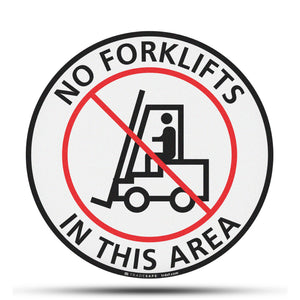
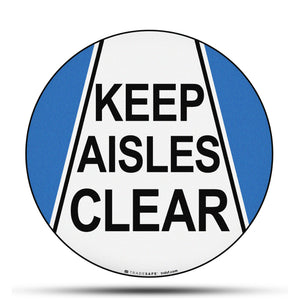
Safety floor stickers are an important part of workplace safety programs because they place visual instructions exactly where workers, visitors, and equipment operators need to see them. In industrial environments with constant movement, floor-level messaging helps reinforce hazard awareness, direct traffic flow, and mark restricted or designated areas more effectively than relying on wall signage alone. These markings support faster recognition of safety instructions and help reduce confusion in busy facilities.
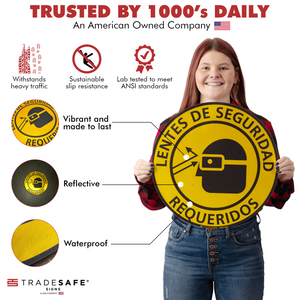
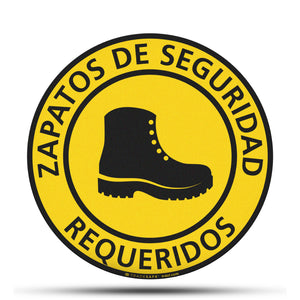
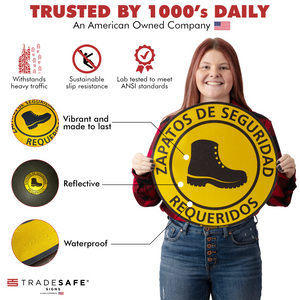
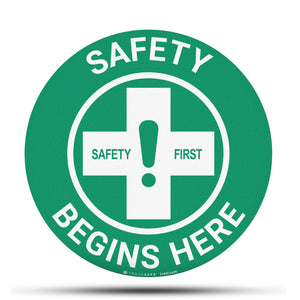
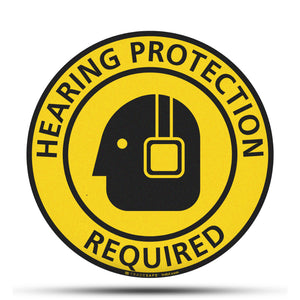
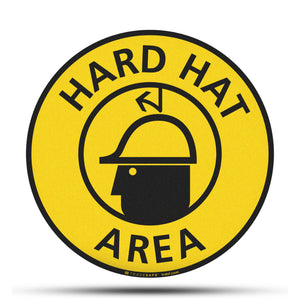
TRADESAFE safety floor stickers are designed for industrial workplaces that need durable, high-visibility solutions for hazard prevention and facility organization. Used to mark PPE-required zones, keep-clear areas, pedestrian walkways, and equipment boundaries, these floor safety signs help create a more controlled work environment while supporting safer movement, clearer communication, and more consistent compliance across daily operations.
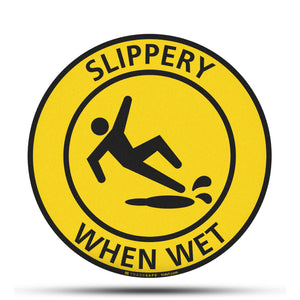
Slippery Floor Signs Used in High-Risk Workplace Areas
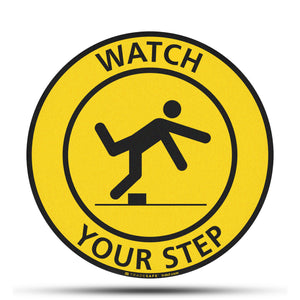
Slippery floor signs are used in workplace areas where changing surface conditions can increase the risk of slips, falls, and preventable incidents. In facilities that deal with moisture, spills, washdowns, or frequent foot and cart traffic, permanent floor-applied warnings help maintain visibility at the exact point of risk. Unlike temporary warning signs that can be moved, missed, or removed too soon, slippery floor signs provide constant visual reinforcement in areas that require ongoing caution.
Slippery floor signs are commonly used in areas such as:
-
wet or recently cleaned floors
-
areas exposed to spills or liquids
-
entrances during rainy or snowy conditions
-
food processing or industrial washdown zones
-
high-traffic areas prone to slipping hazards
By placing slippery floor signs directly where slip hazards may occur, facilities can improve hazard communication and reduce reliance on temporary signage alone. This approach supports a more proactive safety strategy, helps protect workers and visitors, and keeps operations moving efficiently in environments where floor conditions can change throughout the day.
Anti-Slip Floor Signs Designed for Workplace Safety and Durability
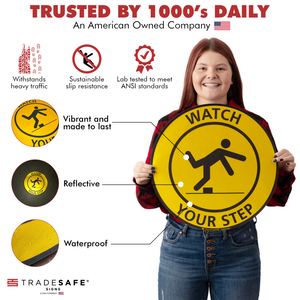
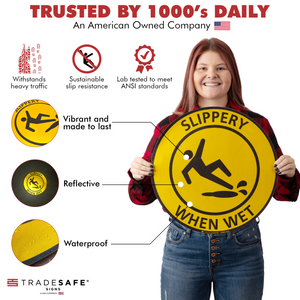
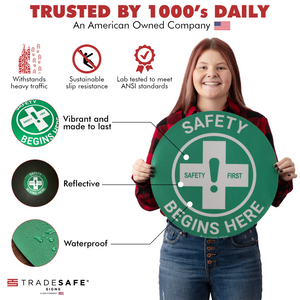
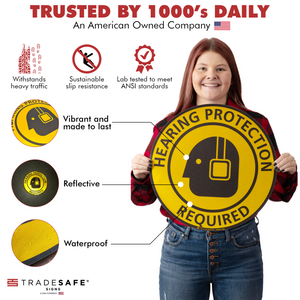
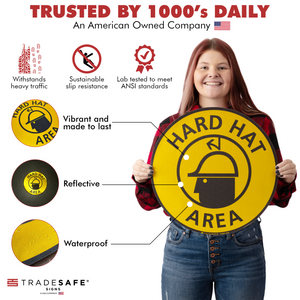
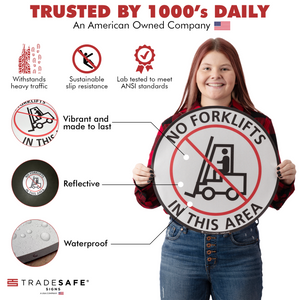
Anti-slip floor signs are designed for facilities that need safety messaging to remain visible and effective under demanding conditions. In industrial and commercial settings, floor markings must do more than communicate warnings or directions—they also need to withstand foot traffic, carts, equipment movement, and routine cleaning without creating an additional slipping hazard. That is why anti-slip floor signs are especially valuable for long-term workplace use.
Key features that make anti-slip floor signs suitable for industrial environments include:
-
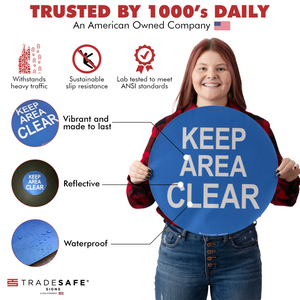
textured anti-slip surface for safer walking conditions
-
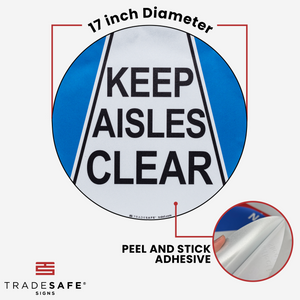
strong adhesive backing for secure placement
-
high-visibility colors and clear symbols
-
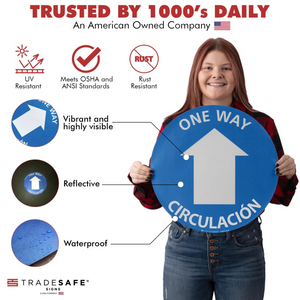
durable materials for heavy foot and cart traffic
-
resistance to wear, moisture, and everyday workplace conditions
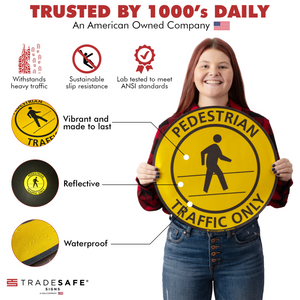
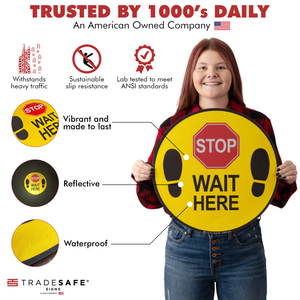
These features make anti-slip floor signs a practical choice for facilities that need durable workplace floor signage with reliable day-to-day performance. Whether used in warehouses, production areas, loading zones, or facility walkways, these industrial floor decals help maintain clear messaging while standing up to demanding environments and supporting long-term safety programs.
Floor Safety Decals for Workplace Compliance and Visual Safety Communication
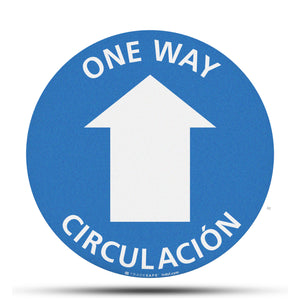
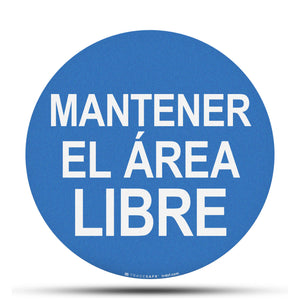
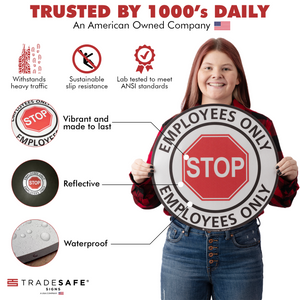
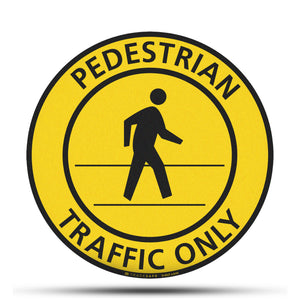
Floor safety decals help facilities improve workplace organization, reinforce hazard awareness, and support visual safety communication across operational areas. They are commonly used to identify traffic routes, mark caution zones, communicate PPE requirements, and define clear boundaries for workers and visitors. In many environments, these markings support safer movement and more consistent behavior by putting instructions directly on the surface where attention is needed most.
For industrial buyers and safety managers, floor safety decals also provide a practical way to strengthen workplace safety systems with durable, highly visible markings that remain in place under regular use. When applied in the right areas, they can help support accident prevention efforts, improve traffic flow, and reinforce facility rules in a way that is easy to recognize during day-to-day operations. They may also support broader hazard communication practices in workplaces that use accident prevention signs and markings as part of their safety programs.
Browse the collection to find floor safety decals, safety floor stickers, and anti-slip floor signs designed for industrial environments. Whether you need markings for pedestrian routes, PPE-required areas, slippery surfaces, or restricted zones, these floor safety signs offer durable, high-visibility solutions for safer and more organized facilities.