
-
-52%

 Regular price $94.95Regular price
$199.00-52%Sale price $94.95 -
-52%

 Regular price $94.95Regular price
$199.00-52%Sale price $94.95 -
-52%

 Regular price $94.95Regular price
$199.00-52%Sale price $94.95 -
-52%

 Regular price $94.95Regular price
$199.00-52%Sale price $94.95 -
-52%

 Regular price $94.95Regular price
$199.00-52%Sale price $94.95 -
-52%

 Regular price $94.95Regular price
$199.00-52%Sale price $94.95 -
-52%

 Regular price $94.95Regular price
$199.00-52%Sale price $94.95 -
-52%

 Regular price $94.95Regular price
$199.00-52%Sale price $94.95 -
-52%

 Regular price $94.95Regular price
$199.00-52%Sale price $94.95 -
-62%
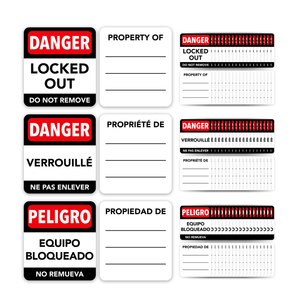
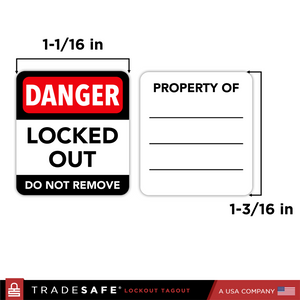 Regular price $18.95Regular price
$50.00-62%Sale price $18.95 -
-60%
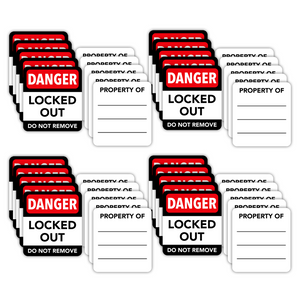
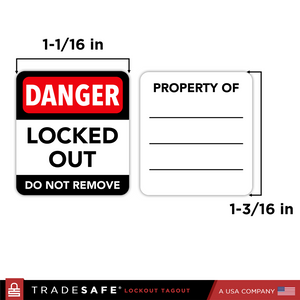 Regular price $13.95Regular price
$35.00-60%Sale price $13.95


Industrial Lockout Tagout Padlocks for Workplace Safety
Lockout tagout padlocks play a critical role in protecting workers during equipment servicing, maintenance, and repair operations. In industrial environments, these safety padlocks secure energy-isolating devices in the off position, ensuring that machines remain de-energized while work is being performed. By physically preventing equipment from being restarted, lockout tagout padlocks help eliminate the risk of unexpected energization that can lead to serious injuries, equipment damage, or costly operational downtime.
Unlike standard padlocks, lockout safety padlocks are specifically engineered for hazardous energy control procedures. They are designed for high visibility, reliable identification, and durable performance in demanding industrial environments. Developed for professional lockout tagout programs, TRADESAFE lockout tagout padlocks provide reliable security, clear worker identification, and dependable performance across manufacturing facilities, utilities, construction sites, and other high-risk workplaces.
Padlock Lockout Tagout Systems in Industrial Safety Programs
Padlock lockout tagout systems are an essential component of hazardous energy control programs used in industrial safety management. During servicing or maintenance, authorized employees apply lockout devices to energy-isolating points and secure them with their individual LOTO padlocks. This ensures that equipment cannot be re-energized until every worker involved in the maintenance procedure removes their lock.
These systems improve workplace safety by:
- Securing energy-isolating devices during lockout tagout procedures
- Preventing accidental or unauthorized machine start-up
- Identifying authorized personnel responsible for lockout points
- Providing clear visual confirmation that lockout procedures are active
When implemented correctly, padlock lockout tagout systems establish a controlled and accountable safety process that protects both personnel and equipment while maintenance or repair work is underway. This approach helps organizations maintain consistent lockout procedures, reduce workplace incidents, and support regulatory compliance.
Durable Lockout Safety Padlocks for Industrial Lockout Procedures
Industrial lockout procedures require safety padlocks that can perform reliably in demanding workplace environments while also matching the keying and shackle requirements of each lockout program. Depending on the application, facilities may need different materials, shackle designs, or key-control configurations for individual employees, maintenance teams, or larger multi-department safety programs.
TRADESAFE offers several lockout tagout padlock configurations designed for different industrial applications and lockout procedures:
- Steel Shackle Lockout Padlocks - durable padlocks with steel shackles for general industrial lockout applications.
- Aluminum Lockout Padlocks - lightweight, corrosion-resistant options for facilities where reduced weight and environmental resistance are important.
- Cable Shackle Padlocks - flexible-shackle designs for lockout points where a conventional rigid shackle may be difficult to apply.
- Keyed Alike Padlocks - multiple padlocks operated by the same key for applications that require simplified key control.
- Keyed Alike Unlimited Padlocks - scalable keyed-alike configurations for larger programs that require additional matching locks over time.
- Keyed Different Padlocks - individually keyed padlocks that support worker-specific lockout control and accountability.
-
Master Keyed Padlocks - structured keying systems that allow authorized supervisory access while maintaining individual lock assignments.
The right configuration depends on factors such as equipment design, number of authorized employees, facility size, environmental conditions, and the level of key control required. Selecting the appropriate lockout padlock type helps organizations build a more organized, reliable, and scalable lockout tagout program for routine maintenance and hazardous energy control.
Safety Padlocks Lockout Tagout Solutions for OSHA-Compliant Facilities
Under OSHA Standard 1910.147, employers must implement lockout tagout procedures to protect workers from hazardous energy during servicing and maintenance activities. Lockout tagout safety padlocks provide the physical control required to secure energy-isolating devices and prevent machines from being accidentally restarted while maintenance work is in progress.
In many facilities, these safety padlocks are integrated into comprehensive LOTO programs that include lockout devices, tags, lockout stations, and written energy control procedures. By assigning dedicated lockout padlocks to authorized employees, organizations establish clear accountability and ensure that equipment remains safely isolated until all workers have completed their tasks.
Browse the TRADESAFE collection of lockout tagout padlocks to find dependable LOTO safety padlocks designed for industrial workplaces. With durable construction, high-visibility safety colors, and multiple keying options such as keyed alike and keyed different configurations, these lockout tagout padlocks help safety managers implement reliable and OSHA-compliant hazardous energy control programs across their facilities.