
-
-49%
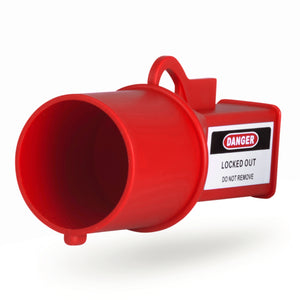
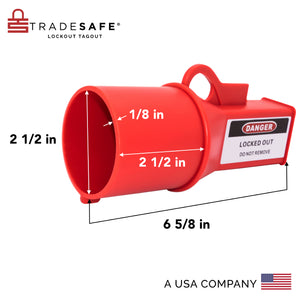 Regular price $24.95Regular price
$49.00-49%Sale price $24.95 -
-49%
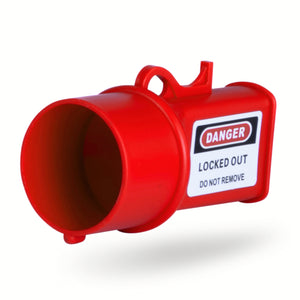
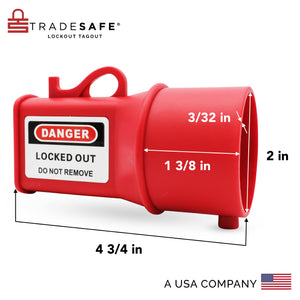 Regular price $19.95Regular price
$39.00-49%Sale price $19.95 -
-49%
 Regular price $24.95Regular price
$49.00-49%Sale price $24.95 -
-49%
 Regular price $19.95Regular price
$39.00-49%Sale price $19.95 -
-39%
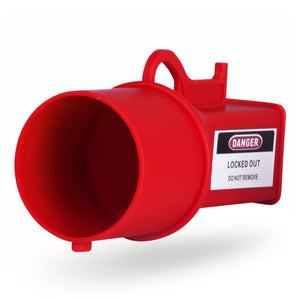
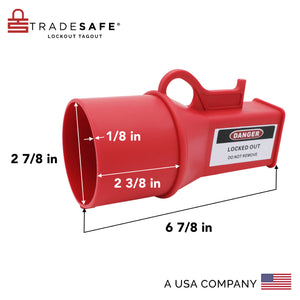 Regular price $29.95Regular price
$49.00-39%Sale price $29.95
Socket lockout devices for secure isolation of electrical plugs and connections
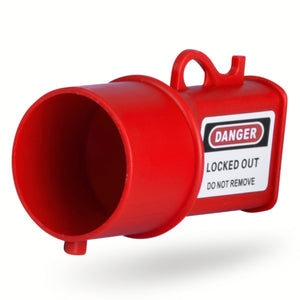
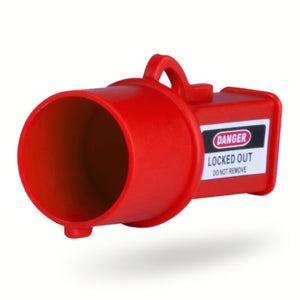
Socket lockout devices are purpose-built safety components used to physically block access to industrial electrical plugs, connectors, and receptacles during lockout tagout procedures. By enclosing or covering energized connection points, these devices prevent unauthorized or accidental reconnection of equipment, ensuring that machinery remains fully isolated and cannot be unintentionally re-energized during maintenance or servicing tasks. This level of control is critical in environments where exposed electrical connections are accessible and pose serious safety risks.
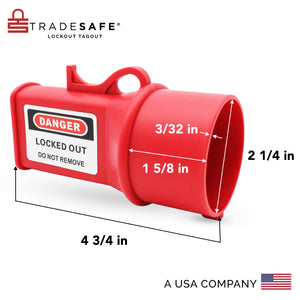
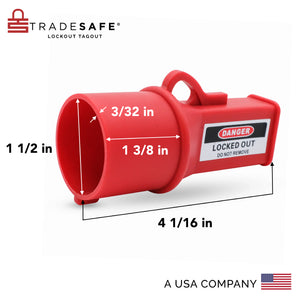
In practice, socket lockouts act as a direct barrier at the point of power connection, reinforcing hazardous energy control within established LOTO programs. Solutions such as pin and sleeve socket lockouts are engineered to fit industrial receptacles and prevent plug insertion entirely, even in high-traffic or high-risk areas. TRADESAFE socket lockout devices, available in multiple sizes and configurations, are designed for consistent fit, fast deployment, and reliable isolation across a wide range of electrical applications.
Electrical socket lockout solutions for industrial workplace environments
Electrical socket lockout devices are widely used across industrial settings where controlling power access is essential to safe operations and maintenance. These devices help teams manage electrical hazards directly at the connection point, particularly in facilities with heavy equipment, mobile machinery, or frequently accessed power sources, where the risk of accidental energization is higher.
Common applications of socket lockout devices include:
-
lockout of electrical plugs during maintenance and servicing
-
isolation of power connections in industrial equipment
-
use in manufacturing, processing, and facility operations
-
prevention of accidental equipment energization
-
application in high-risk electrical safety scenarios
By integrating socket lockouts into daily operations, facilities gain a more consistent and enforceable method of controlling electrical energy sources. This physical layer of protection reduces reliance on procedural compliance alone and helps standardize safe isolation practices across teams, shifts, and work areas.
Industrial socket lockout devices for hazardous energy control applications
Industrial socket lockout devices are engineered to perform reliably in demanding environments where durability and consistent performance are required. Constructed from non-conductive and impact-resistant materials, these devices are designed to withstand frequent use, exposure to harsh conditions, and potential physical stress without compromising safety or performance.
Key features that define effective socket lockout devices include:
-
durable construction for industrial environments
-
compatibility with various plug and connection types
-
high-visibility design for safety identification
-
secure locking mechanisms for reliable isolation
-
suitability for demanding workplace conditions
Beyond durability, effective socket lockouts must deliver a secure, tamper-resistant fit that ensures only authorized personnel can remove the device. Compatibility with lockout hasps and padlocks strengthens accountability and helps maintain control throughout servicing tasks, making these devices a critical component of a comprehensive hazardous energy control strategy.
Socket lockout safety devices designed for OSHA compliance and workplace protection
Socket lockout devices play a direct role in supporting OSHA-compliant lockout tagout programs by helping facilities control hazardous electrical energy at the point of connection. Under OSHA 29 CFR 1910.147, employers are required to establish procedures that ensure equipment is properly isolated and cannot be re-energized during servicing. Socket lockouts support this requirement by physically preventing access to electrical plugs and reinforcing established energy control procedures.
These devices also enhance overall workplace protection by reducing the likelihood of human error, especially in environments where multiple workers or shifts interact with the same equipment. By providing a clear, visible barrier, socket lockouts improve communication, reinforce lockout status, and help ensure that equipment remains safely de-energized until work is fully completed. This contributes to stronger safety performance, reduced incident risk, and more reliable compliance outcomes.
Browse the collection to find socket lockout devices engineered for secure fit, durability, and reliable electrical isolation across different plug and receptacle types. Select solutions that match your equipment requirements and strengthen your lockout tagout program. Invest in high-quality devices that improve workplace safety, support OSHA compliance, and ensure consistent hazardous energy control across your facility.