-
Sold out
 Regular price $36.95Regular price
$60.00-38%Sale price $36.95 -
-49%
 Regular price $25.55Regular price
$50.00-49%Sale price $25.55 -
-17%
 Regular price $24.95Regular price
$30.00-17%Sale price $24.95 -
0%
 Regular price $24.95Regular price
$25.000%Sale price $24.95 -
-15%
 Regular price $16.95Regular price
$20.00-15%Sale price $16.95 -
-38%
 Regular price $36.95Regular price
$60.00-38%Sale price $36.95 -
-38%
 Regular price $36.95Regular price
$60.00-38%Sale price $36.95 -
0%
 Regular price $24.95Regular price
$25.000%Sale price $24.95 -
-34%

 Regular price $19.95Regular price
$30.00-34%Sale price $19.95 -
-17%
 Regular price $24.95Regular price
$30.00-17%Sale price $24.95 -
0%
 Regular price $24.95Regular price
$25.000%Sale price $24.95 -
0%

 Regular price $24.95Regular price
$25.000%Sale price $24.95 -
0%

 Regular price $24.95Regular price
$25.000%Sale price $24.95 -
-20%
 Regular price $19.95Regular price
$25.00-20%Sale price $19.95 -
0%
 Regular price $24.95Regular price
$25.000%Sale price $24.95 -
-38%
 Regular price $36.95Regular price
$60.00-38%Sale price $36.95 -
-38%

 Regular price $36.95Regular price
$60.00-38%Sale price $36.95 -
-38%
 Regular price $36.95Regular price
$60.00-38%Sale price $36.95 -
-38%
 Regular price $36.95Regular price
$60.00-38%Sale price $36.95 -
-38%

 Regular price $36.95Regular price
$60.00-38%Sale price $36.95 -
-23%
 Regular price $115.95Regular price
$150.00-23%Sale price $115.95 -
-23%
 Regular price $115.95Regular price
$150.00-23%Sale price $115.95 -
0%
 Regular price $24.95Regular price
$25.000%Sale price $24.95 -
-10%
 Regular price $26.95Regular price
$30.00-10%Sale price $26.95 -
0%

 Regular price $24.95Regular price
$25.000%Sale price $24.95 -
-40%
 Regular price $29.95Regular price
$50.00-40%Sale price $29.95 -
0%
 Regular price $24.95Regular price
$25.000%Sale price $24.95 -
0%

 Regular price $24.95Regular price
$25.000%Sale price $24.95 -
0%
 Regular price $24.95Regular price
$25.000%Sale price $24.95 -
-20%
 Regular price $19.95Regular price
$25.00-20%Sale price $19.95 -
0%
 Regular price $24.95Regular price
$25.000%Sale price $24.95 -
0%
 Regular price $24.95Regular price
$25.000%Sale price $24.95 -
0%
 Regular price $24.95Regular price
$25.000%Sale price $24.95 -
0%
 Regular price $24.95Regular price
$25.000%Sale price $24.95 -
0%
 Regular price $24.95Regular price
$25.000%Sale price $24.95 -
0%

 Regular price $24.95Regular price
$25.000%Sale price $24.95 -
0%
 Regular price $24.95Regular price
$25.000%Sale price $24.95 -
0%
 Regular price $24.95Regular price
$25.000%Sale price $24.95 -
0%
 Regular price $24.95Regular price
$25.000%Sale price $24.95 -
0%
 Regular price $24.95Regular price
$25.000%Sale price $24.95 -
-17%
 Regular price $24.95Regular price
$30.00-17%Sale price $24.95 -
0%
 Regular price $24.95Regular price
$25.000%Sale price $24.95 -
-20%
 Regular price $19.95Regular price
$25.00-20%Sale price $19.95 -
0%

 Regular price $24.95Regular price
$25.000%Sale price $24.95 -
-20%

 Regular price $19.95Regular price
$25.00-20%Sale price $19.95 -
-20%

 Regular price $19.95Regular price
$25.00-20%Sale price $19.95 -
-20%
 Regular price $19.95Regular price
$25.00-20%Sale price $19.95 -
-20%
 Regular price $19.95Regular price
$25.00-20%Sale price $19.95


Workplace safety signs for compliance and hazard communication across facilities
Workplace safety signs are essential tools for communicating hazards, instructions, and safety expectations across industrial, commercial, and public environments. They provide immediate visual guidance at the point of risk, helping workers identify dangers, follow procedures, and make safer decisions in real time. By delivering clear and consistent messaging, workplace signage plays a critical role in reducing uncertainty and preventing accidents across daily operations.
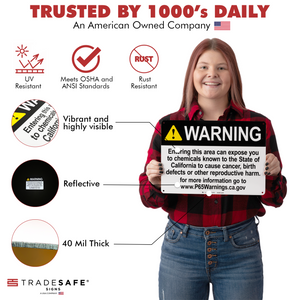
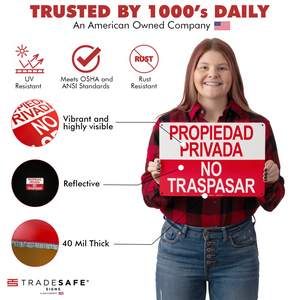
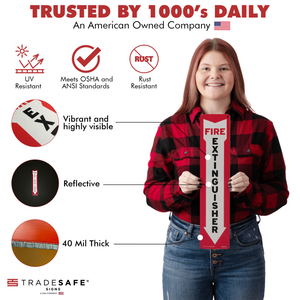
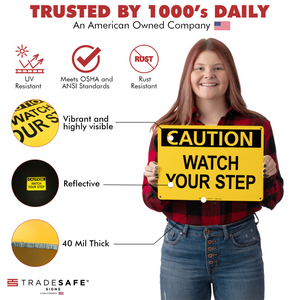
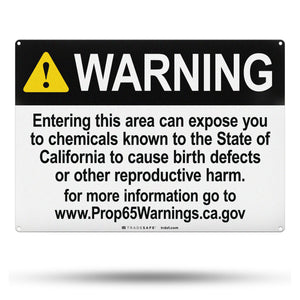
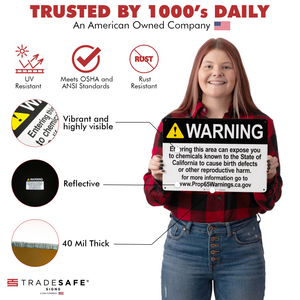
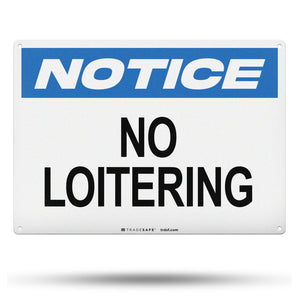
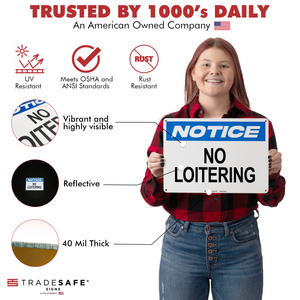
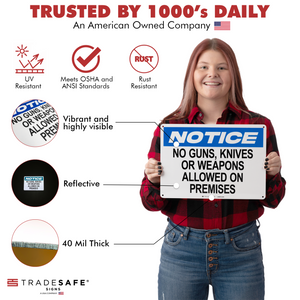
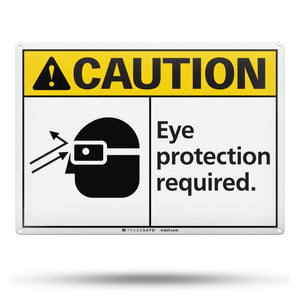
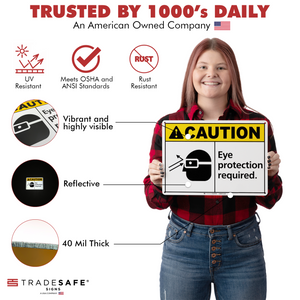
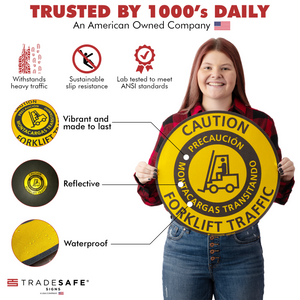
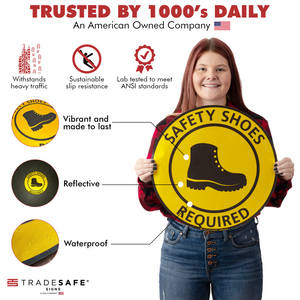
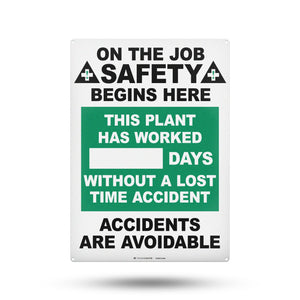
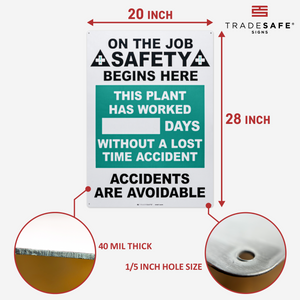
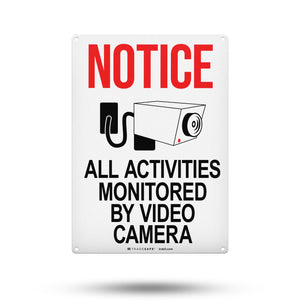
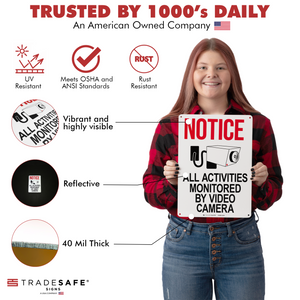
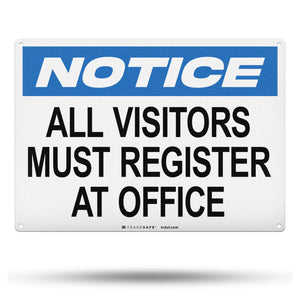
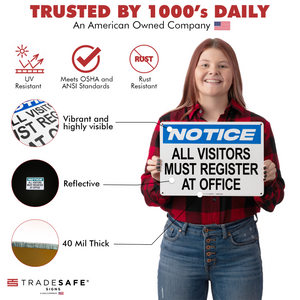
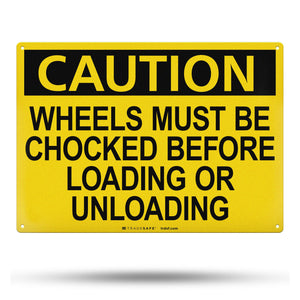
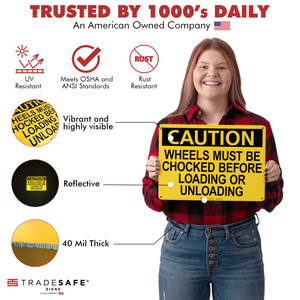
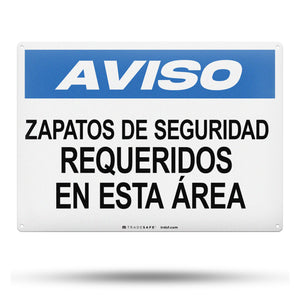
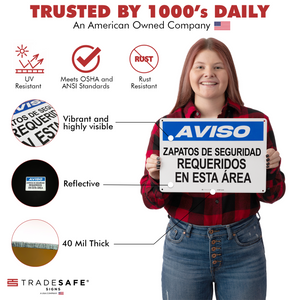
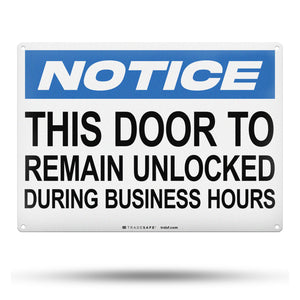
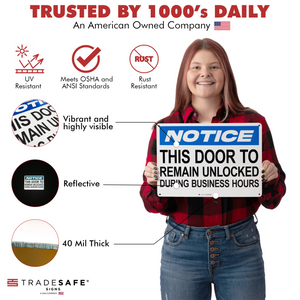
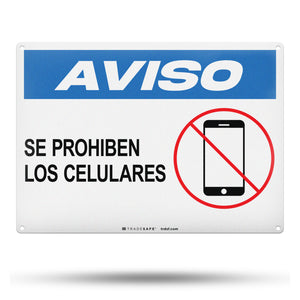
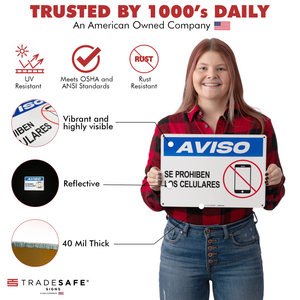
TRADESAFE workplace safety signs are designed to support structured hazard communication and workplace compliance programs. Built for visibility and durability, these signs use standardized colors, symbols, and messaging aligned with OSHA and ANSI guidelines. By reinforcing safety policies directly within the work environment, they help ensure that critical information remains visible, understandable, and actionable for employees, contractors, and visitors.
Safety signs for the workplace to improve visibility and prevent accidents
Safety signs for the workplace improve visibility by placing clear warnings and instructions exactly where they are needed, helping workers recognize hazards before exposure occurs. In fast-paced environments, where decisions must be made quickly, visible signage reduces reliance on memory or verbal communication and ensures consistent understanding across all personnel.
Workplace safety signs are commonly used across environments such as:
-
manufacturing and production facilities
-
warehouses and distribution centers
-
construction and maintenance sites
-
offices and commercial buildings
-
high-traffic or high-risk work areas
By clearly identifying hazards, required actions, and restricted zones, safety signs help reduce the risk of accidents, injuries, and operational disruptions. They also support consistent communication across teams and shifts, ensuring that everyone follows the same safety expectations regardless of experience or role.
Industrial safety signs for high risk environments and operational safety
Industrial safety signs are designed to perform in demanding environments where visibility, durability, and reliability are critical. In high-risk settings, unclear or damaged signage can lead to delayed reactions, miscommunication, and increased risk exposure. Effective signage must remain readable and intact even under harsh conditions, ensuring that safety messages are consistently delivered.
Key features that define industrial safety signs include:
-
high-visibility colors and standardized symbols
-
durable materials for indoor and outdoor use
-
resistance to wear, moisture, and harsh conditions
-
clear messaging for quick hazard recognition
-
compliance with OSHA and ANSI standards
These features ensure that workplace signage maintains long-term performance and continues to support hazard communication even in challenging environments. For facilities, this means improved safety consistency, reduced need for replacement, and stronger alignment with operational safety requirements.
OSHA workplace safety signs for regulatory compliance and workplace standards
OSHA workplace safety signs play a critical role in supporting regulatory compliance by ensuring that hazards, instructions, and safety requirements are clearly communicated throughout a facility. OSHA 29 CFR 1910.145 defines requirements for accident prevention signs and tags, while ANSI Z535 provides widely recognized standards for formatting, colors, and symbols. Together, these frameworks help standardize safety communication and reduce the risk of misinterpretation.
By implementing compliant workplace signage, organizations can improve hazard awareness, reinforce safety policies, and create a more structured and controlled work environment. Without clear and consistent signage, facilities face increased risks of accidents, communication breakdowns, and potential regulatory violations that can impact both safety performance and operational continuity.
Explore the collection to find high-quality workplace safety signs engineered for durability, visibility, and long-term reliability. Choose solutions designed to support clear hazard communication, strengthen compliance efforts, and improve overall workplace safety across your operations.