-
-30%

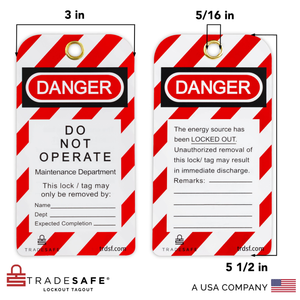 Regular price $20.95Regular price
$30.00-30%Sale price $20.95 -
-38%
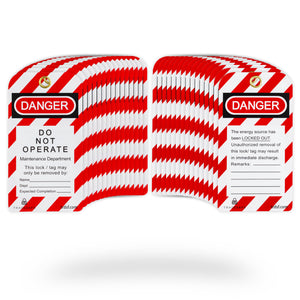
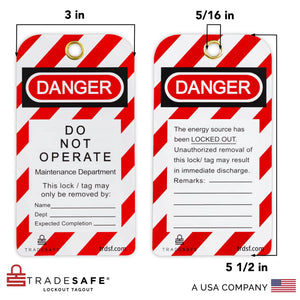 Regular price $36.95Regular price
$60.00-38%Sale price $36.95 -
-45%
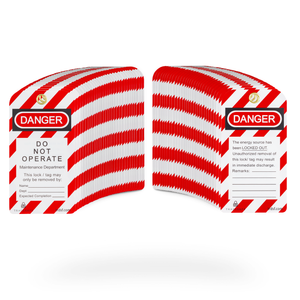
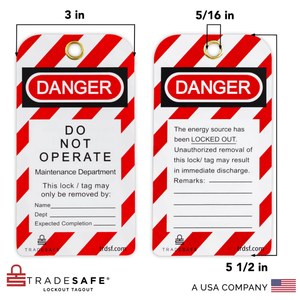 Regular price $65.95Regular price
$120.00-45%Sale price $65.95 -
Sold out
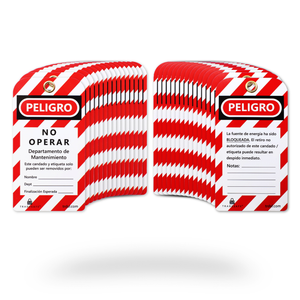
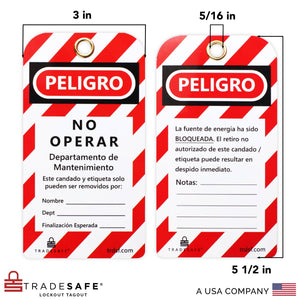 Regular price $36.95Regular price
$60.00-38%Sale price $36.95 -
-38%
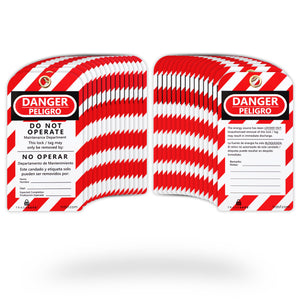
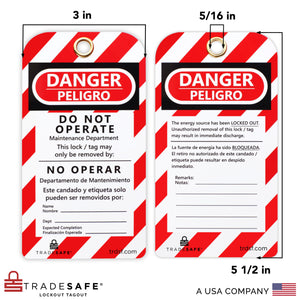 Regular price $36.95Regular price
$60.00-38%Sale price $36.95 -
-40%
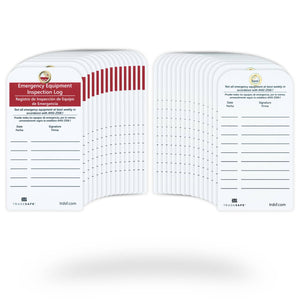
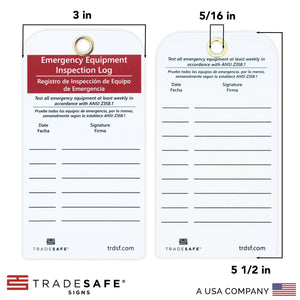 Regular price $35.95Regular price
$60.00-40%Sale price $35.95 -
-50%
 Regular price $29.95Regular price
$60.00-50%Sale price $29.95 -
-50%
 Regular price $29.95Regular price
$60.00-50%Sale price $29.95 -
-50%
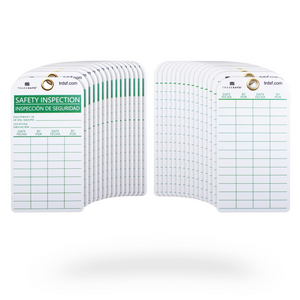
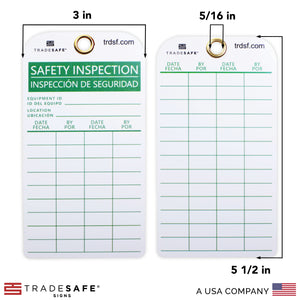 Regular price $29.95Regular price
$60.00-50%Sale price $29.95 -
-40%
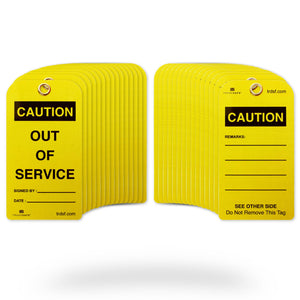
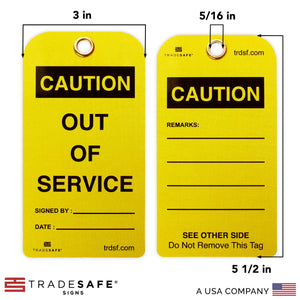 Regular price $35.95Regular price
$60.00-40%Sale price $35.95 -
-40%
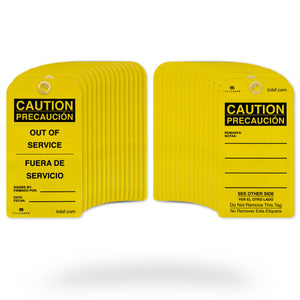
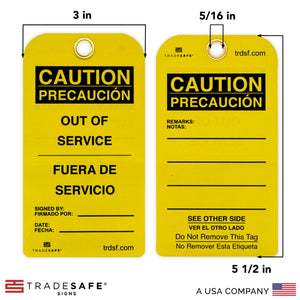 Regular price $35.95Regular price
$60.00-40%Sale price $35.95 -
-36%
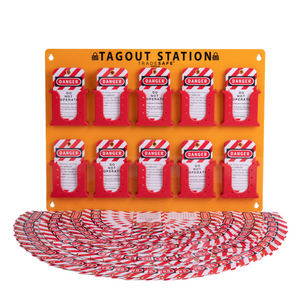
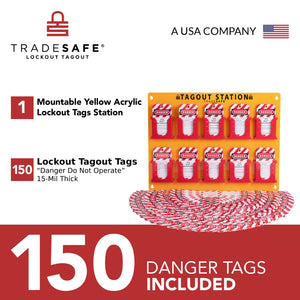 Regular price $189.95Regular price
$299.00-36%Sale price $189.95 -
-65%
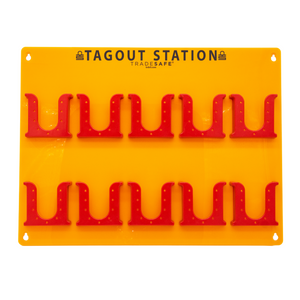
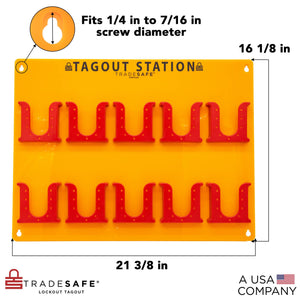 Regular price $69.95Regular price
$199.00-65%Sale price $69.95 -
-62%
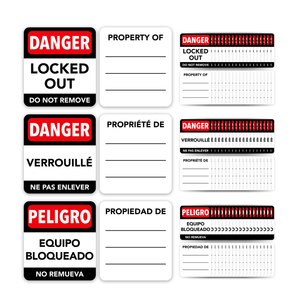
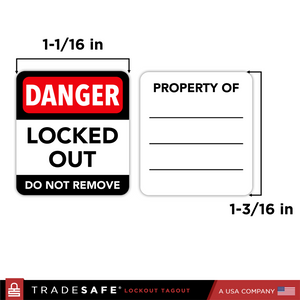 Regular price $18.95Regular price
$50.00-62%Sale price $18.95 -
-60%
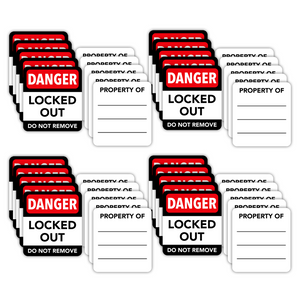
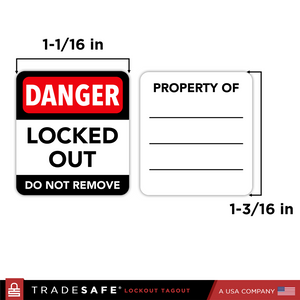 Regular price $13.95Regular price
$35.00-60%Sale price $13.95

Equipment Safety Tags for Clear Workplace Identification
Equipment safety tags are one of the most direct and effective ways to communicate equipment status at the point of use. In fast-moving industrial environments, verbal instructions and digital systems are not enough. Workers need immediate, visible confirmation of whether equipment is safe to operate, under maintenance, locked out, or restricted. Equipment safety tags provide that clarity, reducing guesswork and preventing costly or dangerous mistakes.
This collection includes a wide range of workplace safety tags designed for different industrial applications, including LOTO tags for hazardous energy control, caution tags for temporary workplace hazards, inspection tags for maintenance and compliance procedures, and scaffolding tags for construction and access safety management.
OSHA Safety Tags for Hazard Communication Programs
OSHA safety tags reinforce structured hazard communication across industrial workplaces. Safety tags are widely used to support OSHA-aligned safety practices by providing clear, visible warnings and essential information directly where hazards exist. They help standardize communication so workers can quickly recognize risks, restrictions, and required actions.
These tags are commonly used to support key safety communication functions:
-
hazard identification and warning communication
-
equipment status information
-
maintenance and inspection reminders
-
restricted-use or out-of-service notices
-
clear messaging for authorized personnel
-
support for workplace safety procedures
When integrated into broader safety programs, OSHA safety tags improve consistency and visibility across operations. They help ensure that critical information is not overlooked, especially in environments where multiple teams interact with the same equipment. This makes safety tags a practical and scalable tool for maintaining compliance-focused communication without adding complexity to daily workflows.
Safety Warning Tags for Maintenance and Facility Control
Safety warning tags are essential for controlling active work environments where equipment conditions can change rapidly. During maintenance, repairs, or inspections, clear visual warnings prevent unauthorized use and help coordinate activities across teams. Without visible tagging, even well-trained personnel can misinterpret equipment status, increasing the risk of accidents or operational disruptions.
These tags provide practical, high-impact features that support real-world facility needs:
-
warning messages for unsafe or restricted equipment
-
high-visibility colors and bold text
-
writable areas for names, dates, and instructions
-
durable materials for industrial environments
-
tags for equipment, tools, machinery, and work areas
-
multilingual or bilingual safety communication where applicable
In busy facilities such as warehouses, production floors, and mechanical rooms, these tags act as a frontline control measure. They make conditions immediately visible, reduce reliance on memory or verbal updates, and help ensure that safety instructions remain attached to the equipment itself. This level of clarity is critical for maintaining control in dynamic, high-risk environments.
Industrial Safety Tags for Reliable Safety Management
Industrial safety tags are a foundational component of effective safety management systems. They support communication, accountability, and hazard awareness across departments, from maintenance and operations to safety and compliance teams. By standardizing how equipment status and risks are communicated, these tags help eliminate ambiguity and reinforce consistent procedures across the facility.
For organizations managing multiple assets, teams, and workflows, industrial safety tags provide a scalable solution for maintaining control and visibility. They can be deployed across equipment, tools, work areas, and inspection processes to create a unified communication system that supports safer operations and better decision-making.
Explore this collection to find safety tags that deliver clear messaging, long-term durability, and real-world usability. Choose tags that hold up under pressure, communicate without ambiguity, and support the level of control your safety program demands.