-
-49%
 Regular price $109.95Regular price
$215.00-49%Sale price $109.95 -
-31%
 Regular price $169.95Regular price
$245.00-31%Sale price $169.95 -
-40%
 Regular price $199.99Regular price
$335.00-40%Sale price $199.99 -
-25%
 Regular price $399.95Regular price
$529.95-25%Sale price $399.95 -
-42%
 Regular price $77.95Regular price
$135.00-42%Sale price $77.95 -
-28%
 Regular price $179.95Regular price
$249.95-28%Sale price $179.95 -
Sold out
 Regular price $420.95Regular price
$499.00-16%Sale price $420.95 -
-36%
 Regular price $189.95Regular price
$299.00-36%Sale price $189.95 -
-14%
 Regular price $299.95Regular price
$349.95-14%Sale price $299.95 -
-20%
 Regular price $389.95Regular price
$489.95-20%Sale price $389.95 -
-23%
 Regular price $369.95Regular price
$479.95-23%Sale price $369.95 -
-23%
 Regular price $369.95Regular price
$479.95-23%Sale price $369.95 -
-33%
 Regular price $159.95Regular price
$239.95-33%Sale price $159.95 -
-36%
 Regular price $189.95Regular price
$299.00-36%Sale price $189.95 -
-65%
 Regular price $69.95Regular price
$199.00-65%Sale price $69.95 -
-23%

 Regular price $153.95Regular price
$199.00-23%Sale price $153.95 -
-21%

 Regular price $38.95Regular price
$49.00-21%Sale price $38.95 -
Sold out

 Regular price $75.95Regular price
$139.00-45%Sale price $75.95 -
Sold out

 Regular price $27.95Regular price
$39.95-30%Sale price $27.95 -
Sold out
 Regular price $22.95Regular price
$39.00-41%Sale price $22.95


Lockout Tagout Stations for Organized and OSHA-Compliant Workplaces
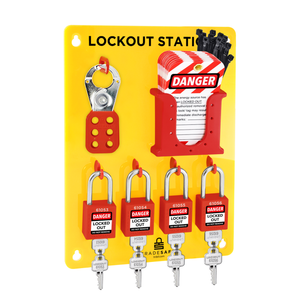
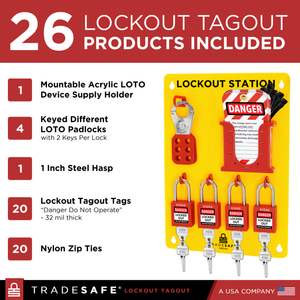
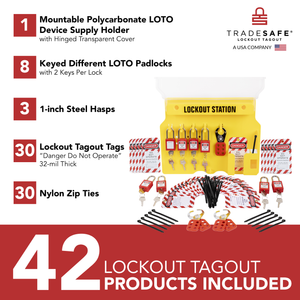
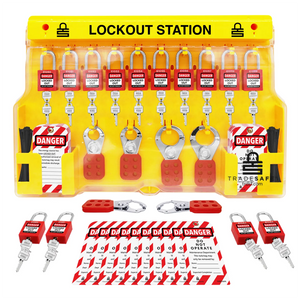
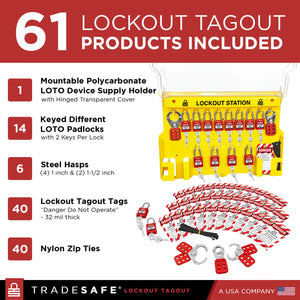
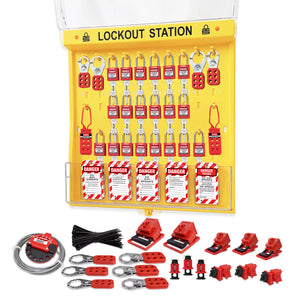
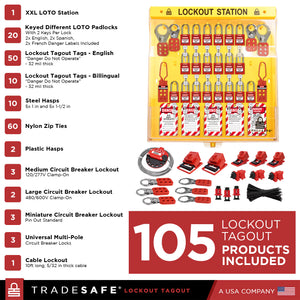
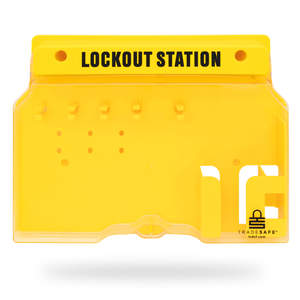
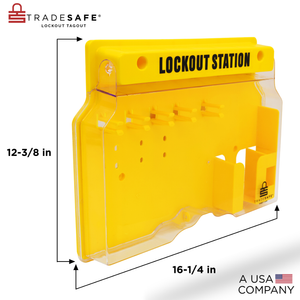
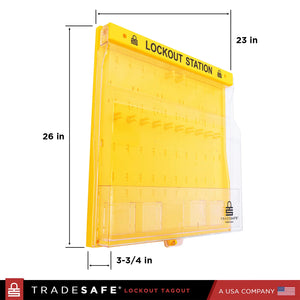
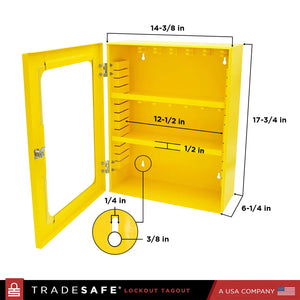
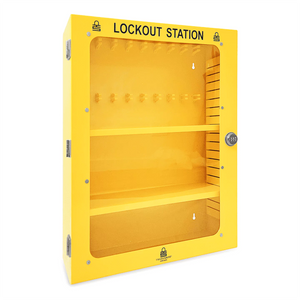
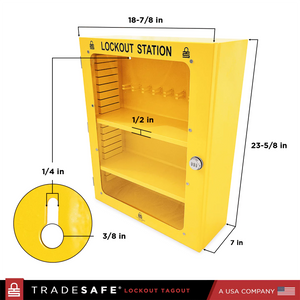
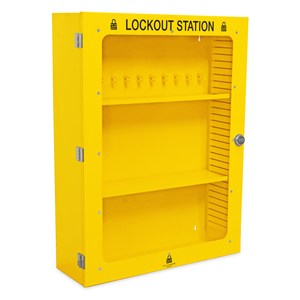
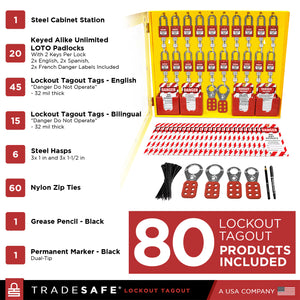
Lockout tagout stations are designed to centralize critical LOTO devices so teams can maintain control over hazardous energy during maintenance and servicing. Instead of scattered padlocks, tags, and lockout devices, these stations create a clearly defined storage point that supports consistent lockout/tagout procedures. For safety managers and maintenance teams, this directly improves visibility, accountability, and readiness across the facility.
TRADESAFE lockout tagout stations and cabinets are used to support OSHA 29 CFR 1910.147 programs by helping organize essential devices at the point of use. When equipment is stored in a designated location, workers spend less time searching and more time executing procedures correctly. This structured approach reduces the risk of missing devices, improper lockout, or delays during critical maintenance work.
LOTO Stations Used for Efficient Equipment Storage and Access
LOTO stations improve workflow efficiency by ensuring lockout devices are always organized, visible, and immediately accessible during servicing tasks. In high-risk industrial environments, wasted time searching for devices or dealing with disorganized equipment directly impacts both safety and productivity.
Key operational benefits of lockout tagout stations include:
-
centralized storage of LOTO devices
-
quick access during maintenance procedures
-
improved organization of safety equipment
-
reduced time spent locating lockout tools
-
increased adherence to lockout/tagout protocols
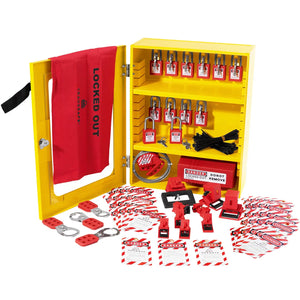
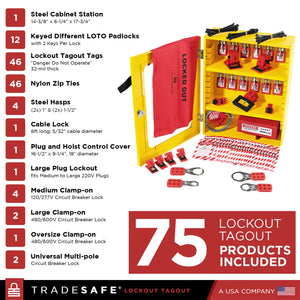
By keeping devices such as padlocks, hasps, breaker lockouts, and tags in one place, teams can respond faster and execute procedures with fewer interruptions. This level of organization supports consistency across shifts and departments, which is essential for facilities managing multiple technicians or complex equipment environments.
Lockout Tagout Cabinet Solutions for Centralized Safety Management
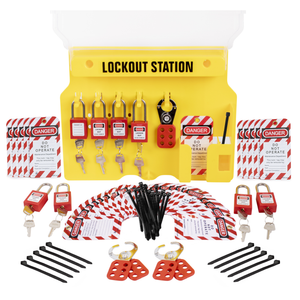
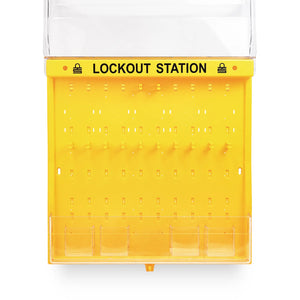
Lockout tagout cabinets and stations are available in multiple formats to match different facility needs, from open-access boards to fully enclosed, lockable systems. Each configuration serves a specific purpose, whether the goal is quick visibility, controlled access, or higher-capacity storage for larger operations.
Common LOTO station and cabinet features include:
-
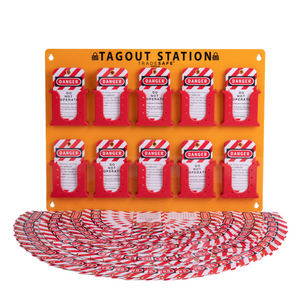
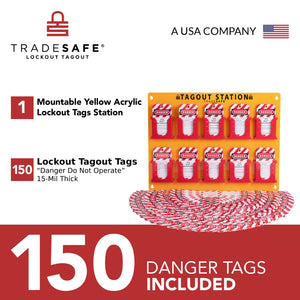
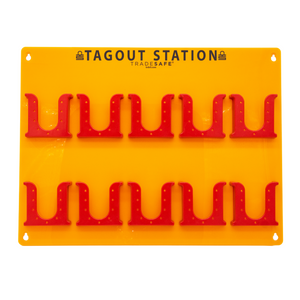
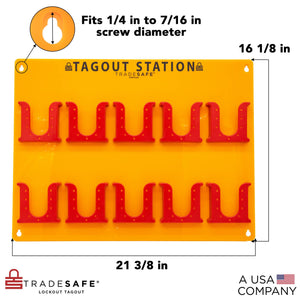
wall-mounted lockout stations for fixed access points
-
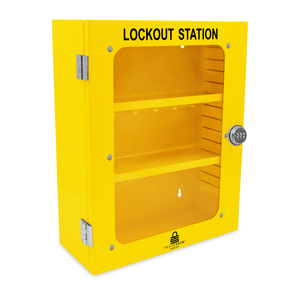
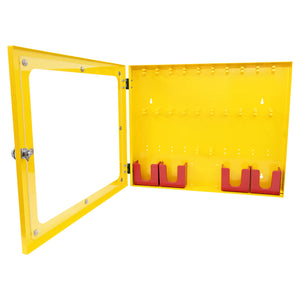
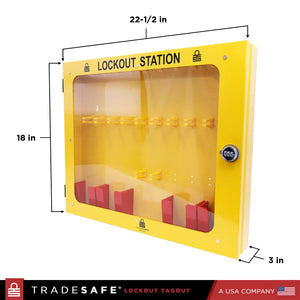
lockout tagout cabinet systems with secure doors
-
portable or modular station designs for flexible use
-
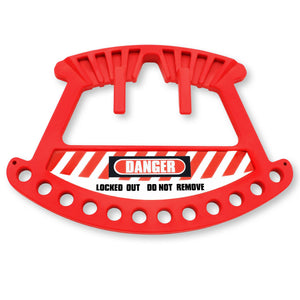
durable materials such as steel and impact-resistant polymers
-
high-visibility colors for safety areas
These variations allow facilities to align storage with their operational requirements. Open stations support fast access in high-activity areas, while enclosed cabinets help protect devices from damage or unauthorized use. Material options also matter, with steel suited for heavy-duty environments and engineered plastics offering corrosion resistance in harsher conditions.
LOTO Cabinets That Improve Workplace Safety and Equipment Control
LOTO cabinets and stations contribute to safer operations by reducing disorganization and limiting opportunities for human error. When lockout tagout devices are stored consistently and visibly, workers are more likely to follow established procedures without shortcuts. This supports safer maintenance practices and reinforces accountability across teams responsible for hazardous energy control.
From a compliance perspective, these systems help facilities maintain better control over lockout/tagout equipment as part of OSHA 29 CFR 1910.147 programs. While the stations themselves are not compliance tools, they support proper implementation by ensuring devices are available, maintained, and used correctly within established procedures. Organized storage also makes it easier to audit equipment and verify readiness.
Explore the full range of TRADESAFE lockout tagout stations and cabinets to find solutions that match your facility’s layout, device requirements, and safety goals. Whether you need a fully stocked station or a customizable cabinet, choosing the right setup helps improve organization, streamline maintenance work, and support more consistent LOTO execution across your operations.