
-
-33%
 Regular price $139.95Regular price
$209.00-33%Sale price $139.95 -
-17%
 Regular price $19.95Regular price
$24.00-17%Sale price $19.95 -
-49%
 Regular price $19.95Regular price
$39.00-49%Sale price $19.95 -
-46%
 Regular price $12.95Regular price
$24.00-46%Sale price $12.95 -
-40%
 Regular price $82.95Regular price
$139.00-40%Sale price $82.95 -
-47%
 Regular price $18.95Regular price
$36.00-47%Sale price $18.95 -
-56%
 Regular price $21.95Regular price
$50.00-56%Sale price $21.95 -
-50%
 Regular price $54.95Regular price
$109.00-50%Sale price $54.95 -
-49%
 Regular price $29.95Regular price
$59.00-49%Sale price $29.95 -
-45%
 Regular price $64.95Regular price
$119.00-45%Sale price $64.95
Gate Valve Lockout Devices for Secure Industrial Valve Isolation
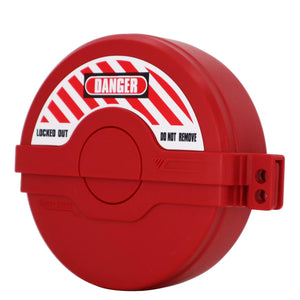
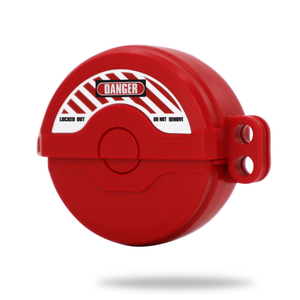
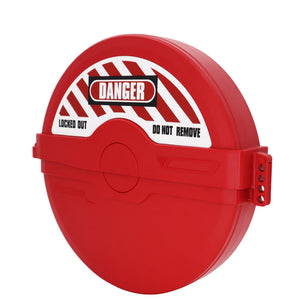
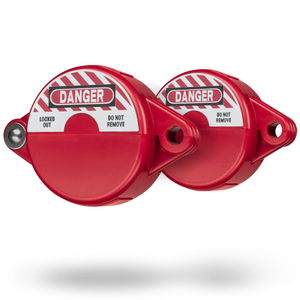
Gate valve lockout devices create a decisive physical barrier against accidental or unauthorized valve operation during equipment servicing, repair, inspection, and maintenance. Once positioned over a compatible gate valve handwheel and secured with a safety padlock, the enclosure restricts access to the operating mechanism. This helps authorized employees maintain control of liquids, gases, steam, compressed media, and other hazardous energy sources within compatible industrial systems.
Gate valve isolation is critical wherever manual valves control process flow or stored energy, including manufacturing facilities, utility systems, water treatment operations, processing plants, commercial buildings, and maintenance departments. TRADESAFE gate valve lockouts give industrial teams highly visible, purpose-built options for strengthening hazardous energy control procedures without treating the device itself as a complete compliance solution.
Gate Valve Lockouts for Different Handwheel Sizes
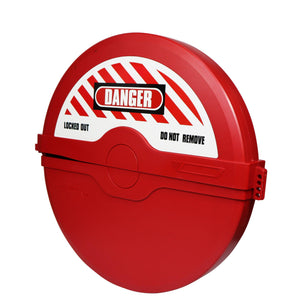
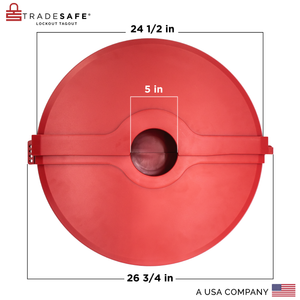
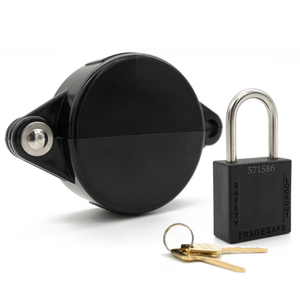
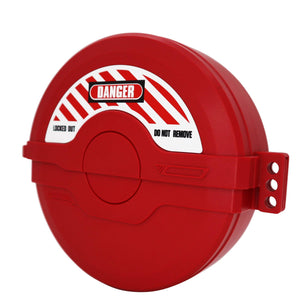
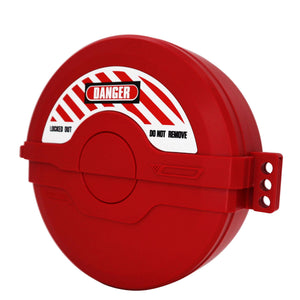
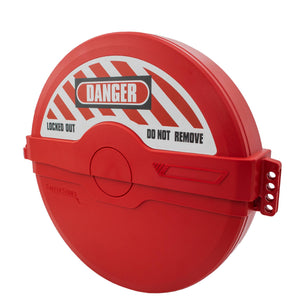
Industrial gate valves vary widely in handwheel diameter, stem configuration, and surrounding clearance. Fixed-size gate valve lockouts use an enclosed clamshell construction to surround the handwheel and block access to the valve operating mechanism after a compatible padlock is applied. Choosing a model designed for the actual valve dimensions creates a more secure enclosure and reduces the risk of an unstable or ineffective fit.
Key features available across the collection include:
- Compatibility with different gate valve handwheel diameters
- Internal dimensions engineered for defined valve size ranges
- Stem clearance for compatible standard and rising-stem valves
- Fully enclosed clamshell coverage that blocks handle access
- Removable center sections for compatible OS&Y configurations
- Multiple lock holes on select models for group lockout applications
- High-visibility construction for immediate identification
- Durable, nonconductive materials suited to industrial environments
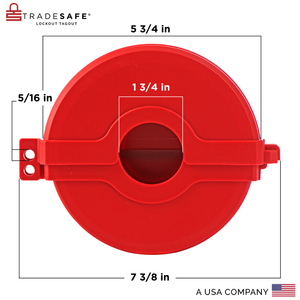
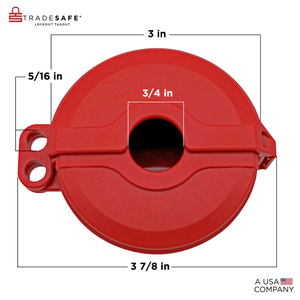
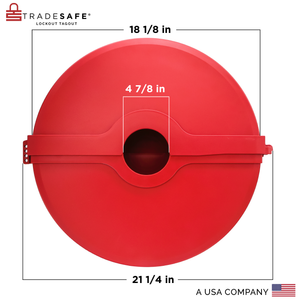
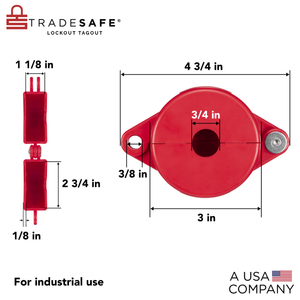
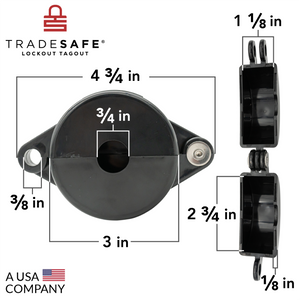
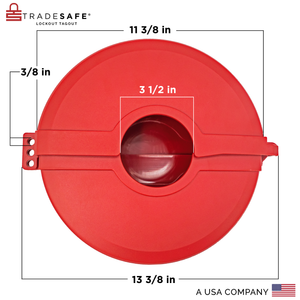
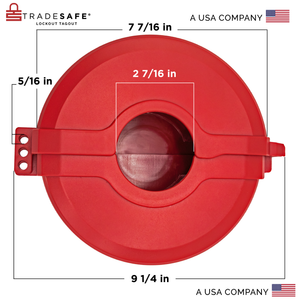
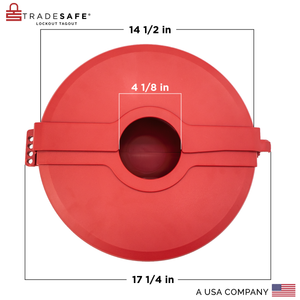
Never select a gate valve lockout from the nominal valve or pipe size alone. Buyers should measure the handwheel diameter and stem diameter, check the space available around the valve, and compare those measurements with the lockout’s internal dimensions. Padlock shackle diameter and the required number of lock holes must also be verified. Review each product specification carefully because dimensions, materials, lock capacity, and stem compatibility differ by model.
Adjustable Gate Valve Lockout for Flexible Valve Applications
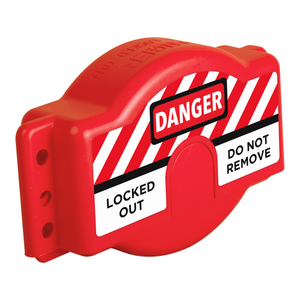
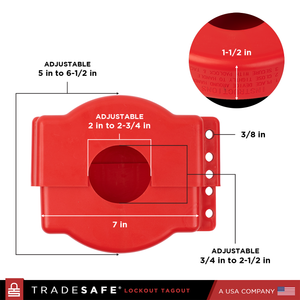
An adjustable gate valve lockout can cover several compatible handwheel sizes within its specified dimensional range. This versatile configuration can help facilities control multiple isolation points while reducing the number of separate fixed-size devices kept in inventory. Its adjustable design does not make it universal, however. The valve handwheel, stem, and surrounding clearance must remain within the manufacturer’s stated compatibility limits.
Depending on the model, adjustable designs may provide:
- Adjustable coverage across multiple compatible valve sizes
- Flexible deployment at different maintenance locations
- Secure enclosure of the gate valve handwheel
- Removable center components for compatible rising-stem valves
- Integrated lock points for authorized employees
- Lightweight, nonconductive construction
- High-visibility identification at the isolation point
- More compact storage than several fixed-size lockouts
Fixed-size devices can provide a dedicated fit for frequently serviced valves with consistent dimensions. Adjustable models may be the stronger inventory choice for facilities managing several compatible handwheel sizes or changing maintenance demands. Buyers should compare the full adjustment range, internal clearance, stem compatibility, construction material, padlock capacity, and closed-device dimensions before purchasing. No adjustable model should be assumed to fit every gate valve.
Gate Valve Lockout for OSHA-Aligned Maintenance Programs
A gate valve lockout helps authorized employees keep a compatible valve in the required position during maintenance, repair, inspection, or equipment shutdown activities. By enclosing the handwheel, the device prevents direct gripping and turning while locked in place. This physical control is especially relevant for industrial water systems, gas and utility lines, processing equipment, facility piping, and other systems where unexpected valve movement could release, restore, or redirect hazardous energy.
Gate valve lockout devices are designed to support OSHA lockout/tagout procedures under OSHA 29 CFR 1910.147, but they represent only one part of a complete energy control program. Employers remain responsible for developing written procedures, training employees, identifying every energy source, selecting compatible devices, verifying isolation, and enforcing facility-specific safety policies. Each lockout must also be used according to manufacturer instructions and the employer’s established procedures.
Browse the collection to compare fixed-size and adjustable models, compatible valve size ranges, stem clearances, construction materials, padlock capacities, and product dimensions. Select the toughest suitable gate valve lockout for the intended isolation point and build a more organized, dependable approach to hazardous energy control.