
-
-17%
 Regular price $19.95Regular price
$24.00-17%Sale price $19.95 -
-47%
 Regular price $18.95Regular price
$36.00-47%Sale price $18.95 -
-46%
 Regular price $12.95Regular price
$24.00-46%Sale price $12.95 -
-49%
 Regular price $19.95Regular price
$39.00-49%Sale price $19.95 -
-49%
 Regular price $29.95Regular price
$59.00-49%Sale price $29.95 -
-50%
 Regular price $54.95Regular price
$109.00-50%Sale price $54.95 -
-45%
 Regular price $64.95Regular price
$119.00-45%Sale price $64.95 -
-42%
 Regular price $79.95Regular price
$139.00-42%Sale price $79.95 -
-33%
 Regular price $139.95Regular price
$209.00-33%Sale price $139.95 -
Sold out
 Regular price $35.95Regular price
$69.00-48%Sale price $35.95 -
-40%
 Regular price $29.95Regular price
$50.00-40%Sale price $29.95 -
-52%
 Regular price $26.95Regular price
$56.00-52%Sale price $26.95 -
 Regular price $23.95Regular price
$23.00Sale price $23.95 -
-56%
 Regular price $21.95Regular price
$50.00-56%Sale price $21.95 -
-58%

 Regular price $20.95Regular price
$50.00-58%Sale price $20.95 -
-20%
 Regular price $39.95Regular price
$50.00-20%Sale price $39.95 -
-52%
 Regular price $23.99Regular price
$50.00-52%Sale price $23.99


Valve Lockout Devices for Industrial Safety and OSHA Compliance
Valve lockout devices are critical components in any lockout/tagout program, designed to physically secure valve handles in the off position to prevent the unintended release of hazardous energy during service and maintenance. In systems controlling liquids, gases, steam, or compressed air, an unsecured valve can lead to serious incidents such as leaks, pressure discharge, contamination, or equipment damage. By blocking access to valve controls and allowing the application of LOTO padlocks, these devices create a clear, enforceable barrier against accidental or unauthorized operation.
Used as part of procedures aligned with OSHA 29 CFR 1910.147 for hazardous energy control, valve lockout devices help standardize isolation practices across industrial environments. TRADESAFE valve lockout solutions are engineered to deliver consistent performance across multiple valve types, supporting safer maintenance, servicing, and repair operations. When properly implemented within a broader safety program, these devices reduce risk exposure and reinforce accountability at every isolation point.
Ball Valve Lockout Devices for Safe Flow Control
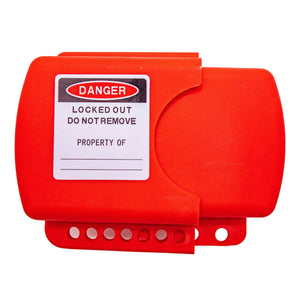
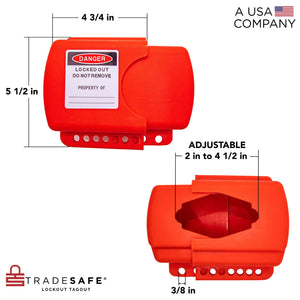
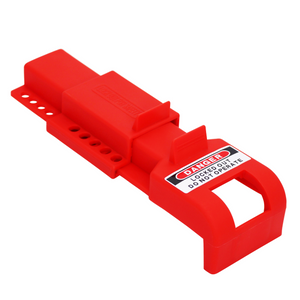
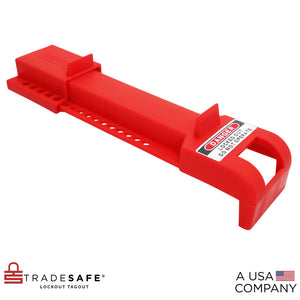
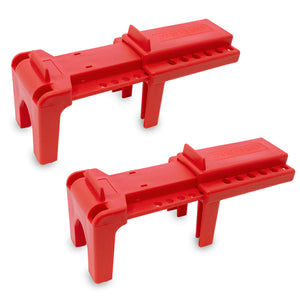
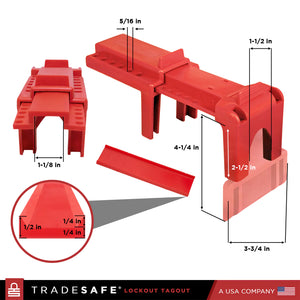
Ball valve lockout devices are designed to secure lever-operated valves in the correct position, preventing unintended flow of liquids or gases during maintenance or shutdown procedures. These devices clamp over or enclose the valve handle, ensuring that the valve remains fixed in either the open or closed position based on the isolation requirement.
Key functional advantages include:
-
secure locking of ball valves in closed or open position
-
prevention of accidental or unauthorized valve operation
-
compatibility with different valve handle sizes
-
durable materials for industrial environments
-
support for OSHA lockout tagout compliance
In high-risk environments where flow control directly impacts safety, ball valve lockout devices provide a straightforward and highly effective safeguard. Their adaptability across standard, adjustable, and flanged valve configurations makes them a reliable choice for facilities that need consistent control over fluid and gas systems without adding complexity to lockout procedures.
Lockout Devices for Valves in Different Industrial Applications
Lockout devices for valves are used across a wide range of systems, each with specific operational risks and isolation requirements. From chemical processing plants to commercial facilities, selecting the correct device ensures that valves are secured effectively based on their design, size, and application. This targeted approach improves both safety outcomes and operational efficiency during maintenance activities.
Common applications include:
-
gas valve lockout devices for hazardous gas systems
-
air valve lockout devices for pneumatic systems
-
water valve lockout devices for facility and plumbing systems
-
pneumatic valve lockout device for compressed air lines
-
valve lockout devices for different sizes and configurations
Choosing the right valve lockout device for each application reduces the chance of improper isolation and strengthens overall energy control procedures. It also allows maintenance teams to work with greater confidence, knowing that each valve is secured using a device designed for its specific function and environment.
Gate Valve Lockout Devices for Secure Equipment Isolation
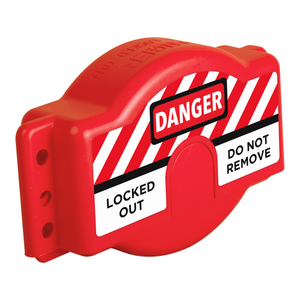
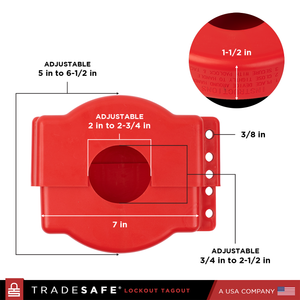
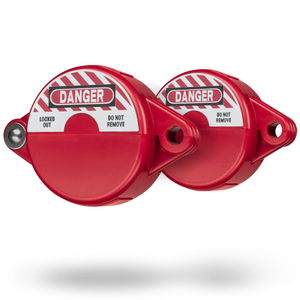
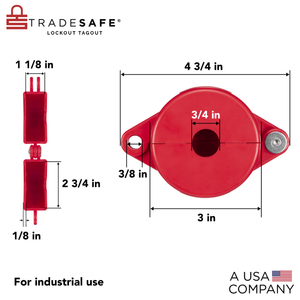
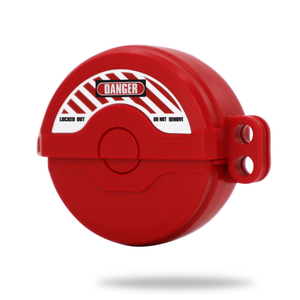
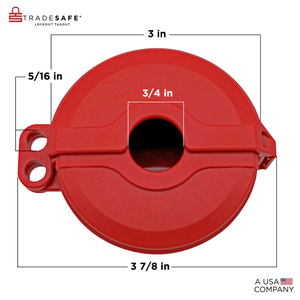
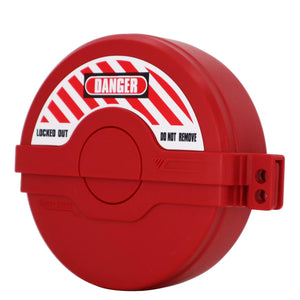
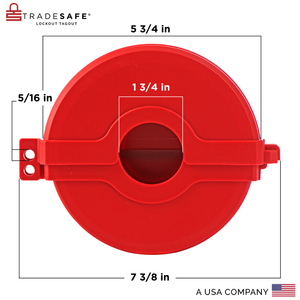
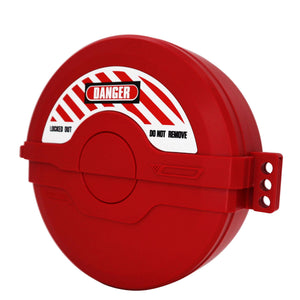
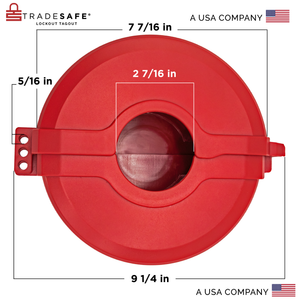
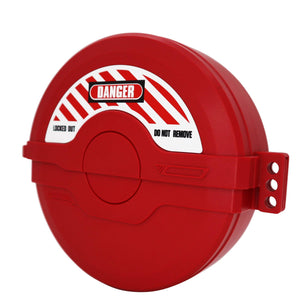
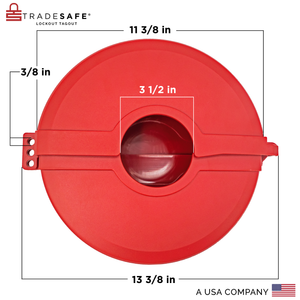
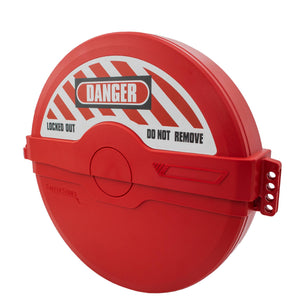
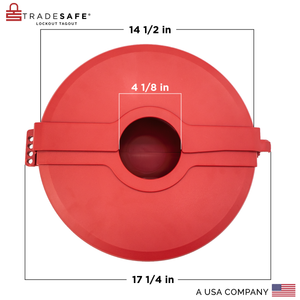
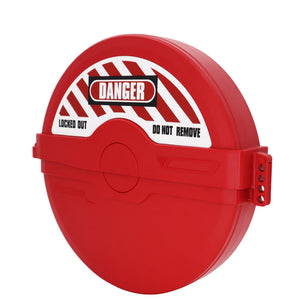
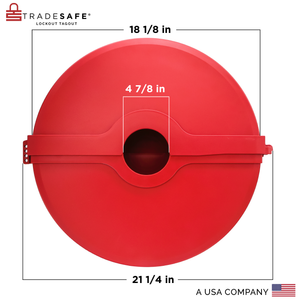
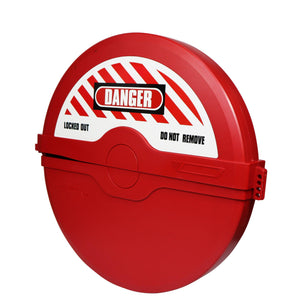
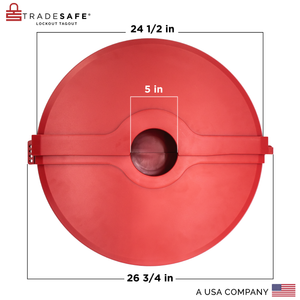
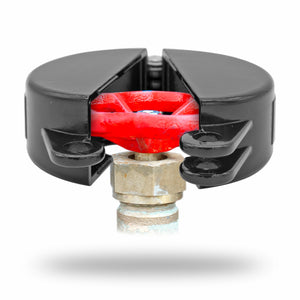
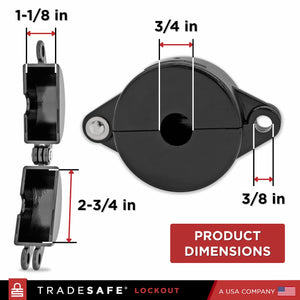
Gate valve lockout devices are engineered to fully enclose round valve handles, preventing rotation and effectively locking the valve in the closed position. This design is especially important in systems where gradual opening or closing controls flow, as even slight movement can introduce risk during maintenance or servicing. Many models include removable center sections to accommodate rising stem or OS&Y valves, increasing their versatility across different installations.
These devices play a central role in isolating energy sources in pipelines, water systems, and industrial processing lines. By physically blocking access to the handwheel, gate valve lockout devices eliminate the possibility of manual operation while work is in progress. When used with multiple padlocks, they also support group lockout procedures, ensuring that the valve remains secured until all authorized personnel have completed their tasks.
Explore the full range of valve lockout devices to find reliable, application-specific solutions that strengthen your lockout/tagout program. Investing in the right devices improves safety control, reduces operational risk, and helps maintain compliance across every valve isolation point.